What Is Speed Rating?
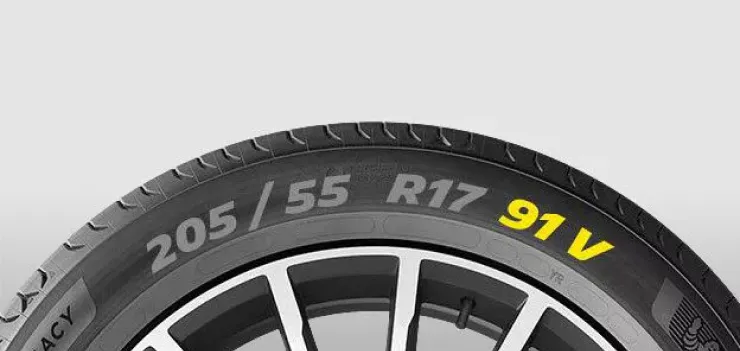
When purchasing new tyres, you may notice a letter at the end of the tyre size marking. For example: 205/55 R16 91V. The final letter represents the speed rating of the tyre.
Many drivers focus mainly on tyre size and price, often overlooking the importance of the speed rating. However, choosing the correct speed rating is essential for safety, performance, and legal compliance.
At Uni Tyres Mobile Tyres Services, based in Dawley Parade, Hayes (no physical garage), we help motorists select manufacturer-approved tyres fitted at their home, workplace, or roadside location.
What Does Speed Rating Mean?
The speed rating indicates the maximum speed a tyre is designed to safely sustain under recommended load conditions.
Example: 205/55 R16 91V
- 205/55 R16 – Tyre size
- 91 – Load index
- V – Speed rating
Each speed rating letter corresponds to a specific maximum speed capability.
Common Tyre Speed Ratings (UK)
| Speed Rating | Maximum Speed |
|---|---|
| T | 118 mph (190 km/h) |
| H | 130 mph (210 km/h) |
| V | 149 mph (240 km/h) |
| W | 168 mph (270 km/h) |
| Y | 186 mph (300 km/h) |
Most everyday vehicles are fitted with tyres rated T, H, or V.
Why Speed Rating Is Important
Speed rating does not only relate to maximum speed. It also affects:
- Handling stability
- Heat resistance
- Cornering performance
- Braking efficiency
- Overall tyre durability
Even if you do not regularly drive at high motorway speeds, using the correct speed rating ensures the tyre performs as intended.
Can You Use a Lower Speed Rating?
It is not recommended to use tyres with a lower speed rating than specified by the vehicle manufacturer.
Using lower-rated tyres may:
- Invalidate insurance
- Reduce motorway stability
- Increase braking distance
- Cause MOT failure
- Compromise overall safety
Can You Use a Higher Speed Rating?
Yes. You may use tyres with a higher speed rating than recommended.
Higher-rated tyres may cost slightly more and sometimes provide a firmer ride, but they are safe to use provided all other specifications match manufacturer requirements.
Speed Rating vs Load Rating
- Speed rating = Maximum safe speed
- Load index = Maximum weight capacity
Both must meet or exceed manufacturer recommendations to ensure safe driving, particularly when carrying passengers or travelling long motorway distances.
How to Find Your Vehicle’s Recommended Speed Rating
You can check the correct rating in:
- Your vehicle handbook
- The sticker inside the driver’s door frame
- Your current tyres
- The fuel cap sticker
If unsure, professional advice is always recommended.
Mobile Tyre Fitting – We Come to You
As a fully mobile tyre fitting service, Uni Tyres Mobile Tyres Services offers:
- Mobile tyre fitting
- 24/7 emergency call-out service
- Puncture repair
- TPMS sensor valve replacement
- Wheel balancing
- Emergency battery jump start
- Locking wheel nut removal
We cover Hayes and surrounding areas including Uxbridge, Ickenham, Northwood, Greenford, Perivale, Acton, West Drayton, Yiewsley, Feltham, Brentford, Chiswick, Teddington, Sunbury-on-Thames, Staines-upon-Thames, Ashford, Maidenhead, Langley, Datchet, Gerrards Cross, Denham, Beaconsfield, Iver, Edgware, Stanmore, and Pinner.
Need Expert Tyre Advice?
Location: Dawley Parade, Hayes
Phone: 0794 0747676
Email: [email protected]
Available 24 hours a day, 7 days a week, including emergencies.
Final Thoughts
The speed rating of your tyre indicates the maximum safe speed it can sustain. Choosing tyres that meet manufacturer recommendations ensures:
- Safe handling and stability
- Legal compliance
- Reliable braking performance
- Longer tyre life
- Reduced risk of tyre failure
If you require professional mobile tyre fitting in Hayes or surrounding areas, contact Uni Tyres Mobile Tyres Services today. We come to your location, anytime.
Recent Blogs